
 Uric acid in urine, uric acid in blood
Uric acid is the final product formed during the breakdown of nitrogenous bases, which make up DNA and are found in food.
The amount of uric acid in blood and urine depends on the rates of its production and elimination from the body. Its concentration in the body is particularly important when diagnosing gout and kidney disease. As much as 75% of all the uric acid in the human body is excreted in urine. The remainder is broken down in the digestive tract by intestinal bacteria. Uric acid is almost insoluble in water, and in an acidic environment it can accumulate, forming uric acid stones in the kidneys or tophi in the joints, causing gout. These deposits can grow to the size of a hen’s egg. In gout, uric acid can be deposited as crystals in the joints. Once this process occurs, the deposits are most commonly found around the joints of the hands and feet, and even on the outer ears. A thick white substance may sometimes discharge from them, but this does not always happen. They sometimes form in internal organs, where they may press on nearby nerves as they grow.
If uric acid enters an alkaline environment, it turns into readily soluble urates.

| You can purchase individual blood tests and blood test packages designed by Polish specialists at BadamySie.pl and have them done at the laboratory you select during purchase, using the confirmation emailed to you just moments after the transaction. |
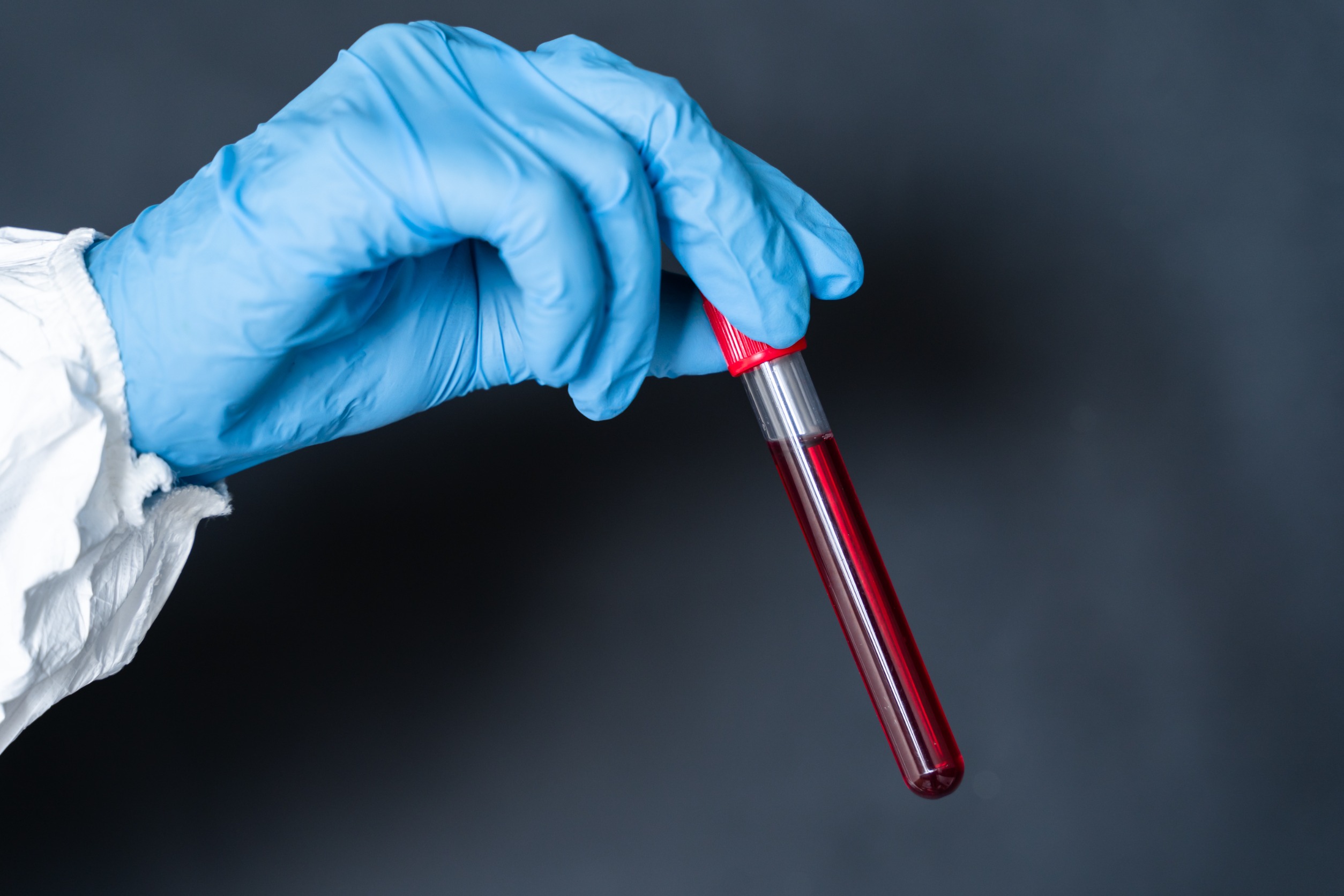
The reference range for uric acid in blood is 0.15-0.45 mmol/l (2.5-8.0 mg/dl),
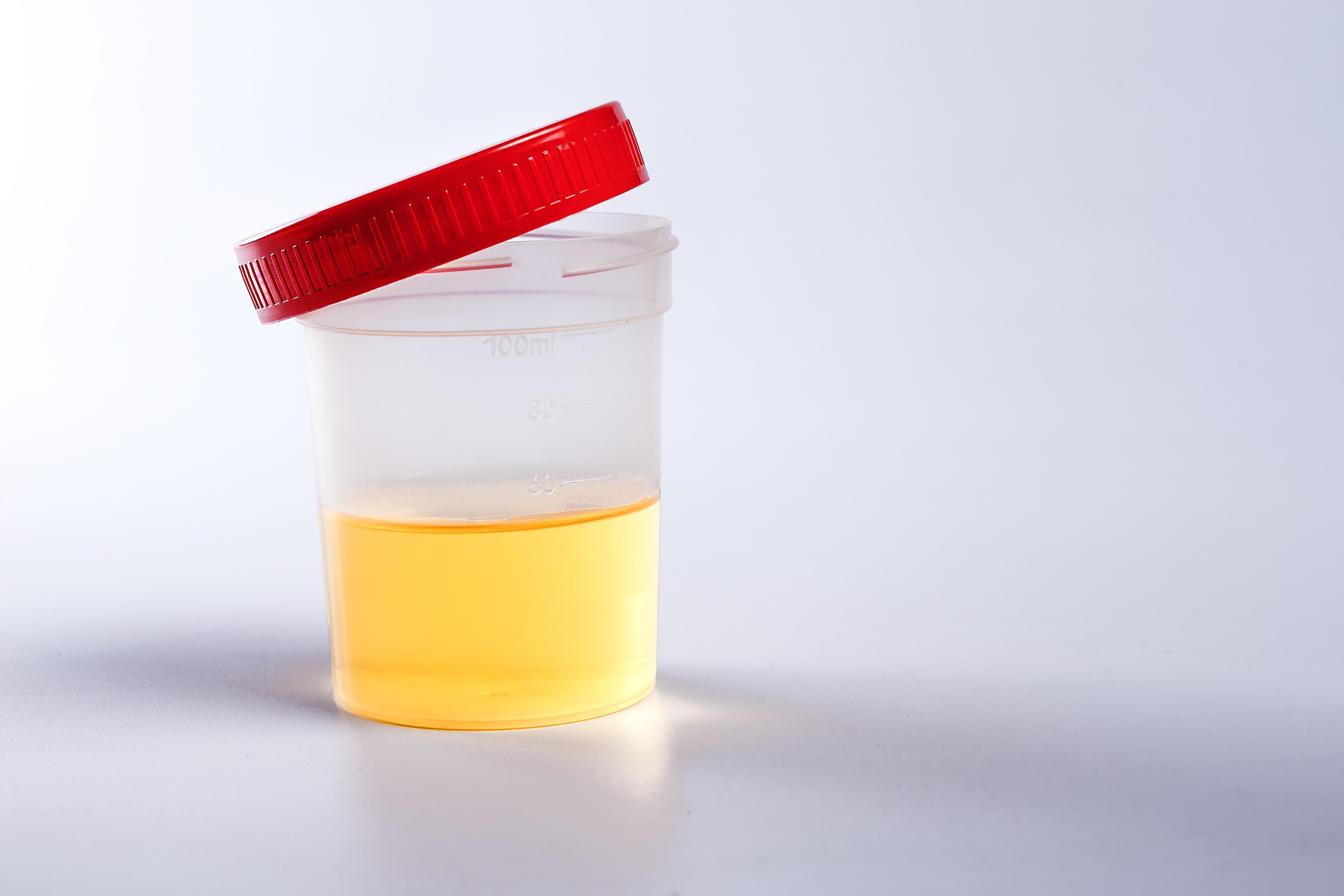
whereas the uric acid level in a urine sample should be less than >4.8 mmol/l
An excessive increase in uric acid concentration (hyperuricaemia) may be primary or secondary.
- Primary hyperuricaemia develops as a result of inherited metabolic defects, e.g. Lesch-Nyhan syndrome (approximately 1 per cent of cases), or impaired secretion in the renal tubules (99 per cent of cases).
- Causes of secondary hyperuricaemia may include:
- a high-protein diet that is rich in purines
- gout
- psoriasis
- tissue hypoxia
- extensive tissue damage, e.g. following an accident or, in cancer, massive cell breakdown during chemotherapy
- kidney failure
- lead poisoning
- certain medicines
 A decrease in uric acid concentration is called hypouricaemia.
It may indicate metabolic disorders and occurs, for example:
- in xanthinuria (a rare genetic disorder treated by drinking plenty of fluids and avoiding foods rich in purines)
- as a result of increased renal excretion, e.g. in SIADH, also known as Schwartz-Bartter syndrome (syndrome of inappropriate antidiuretic hormone secretion, involving vasopressin, the hormone responsible for regulating urine output).
- It may also result from a combination of both of these conditions.
| Choose the package, test or medical consultation you are interested in from the shop and buy online. When you use BadamySie.pl you pay no additional fee for blood collection at the laboratory (if you do not use the Badamysie.pl portal, a fee is always added when you purchase tests in person at the clinic). |
Given the mechanisms that increase uric acid concentration in blood and their possible consequences, the main reasons for having the test are:
- Diagnosing gout – gout is one of the possible causes of joint inflammation. It most commonly affects the metatarsophalangeal joint at the base of the big toe. An acute gout attack causes severe joint pain, redness and tenderness, and is associated with uric acid crystals precipitating in the affected joint;
- Monitoring treatment in people with gout – one of the main goals of gout treatment is to lower uric acid concentration, which prevents its crystals from precipitating in the joints;
- Monitoring cancer chemotherapy and radiotherapy – cancer treatment using chemotherapy and radiotherapy is associated with increased breakdown of tumour cells and the release of substances including purine compounds, which are converted into uric acid. The formation of uric acid stones in the kidneys can lead to renal colic and even kidney failure. To avoid these complications, blood urate levels should be carefully monitored;
- Diagnosing urinary stones – urinary stones may be caused by increased uric acid excretion, among other factors. Testing uric acid levels in urine when symptoms of renal colic occur may help identify the type of urinary stones the patient has developed. Symptoms of renal colic include severe lower abdominal pain radiating to the back, frequent passing of small amounts of urine, fever and, sometimes, blood in the urine.
Preparing for the test:
Testing uric acid levels helps assess kidney function when gout or kidney stones are suspected. Measuring uric acid concentration in blood is also used to monitor treatment. You should attend for blood collection to measure uric acid levels on an empty stomach during the laboratory’s opening hours.
Testing uric acid levels in urine requires longer preparation, but is also used less frequently – mainly to identify the type of stones that have formed in the kidneys. A urine uric acid test requires a 24-hour urine collection. To do this, you should collect all your urine over a full day in one specially prepared container (preferably with a capacity of at least 2 litres). On the day of collection, pass your first morning urine into the toilet and collect every subsequent portion in the container (including your first morning urine the following day). Once the collection is complete, mix the collected urine thoroughly, measure its volume and transfer approximately 100 ml into a smaller container (e.g. a standard urine sample container available from any pharmacy). After labelling the sample, take it to the laboratory as soon as possible.
| Check whether our laboratories are already in your town or city! With Badamysie.pl you can have a Uric acid – laboratory test quickly, without a referral and without waiting. |
* If your results fall outside the reference range, we recommend consulting a doctor. The result report is issued in Polish.
Where can I get blood tests without a referral?
Blood collection centres with addresses and opening hours: Warszawa · Wrocław · Łódź · Kraków · Poznań · Gdańsk · Szczecin · Bydgoszcz · all cities.
Order your tests online at BadamySie.pl and have them done at a centre of your choice.