

 PSA blood test

Tumour markers are used to diagnose cancer. One of these is prostate-specific antigen (PSA). Prostate-specific antigen (PSA) is a protein produced exclusively by prostate cells. A simple blood test measures the PSA level, helping to detect early prostate cancer. Healthy men also have a low level of PSA.

| You can purchase individual blood tests and blood test packages developed by Polish specialists at BadamySie.pl and have them carried out at the laboratory you select during your purchase, using the confirmation emailed to you just moments after the transaction. |
Every man over 40 should have a PSA test, even if he has no symptoms at all. After 50, the test should be repeated once a year.
Absolute indications for testing prostate-specific antigen levels:
- age over 50
- difficulty passing urine
- blood in the urine
- pain in the perineum and lower abdomen
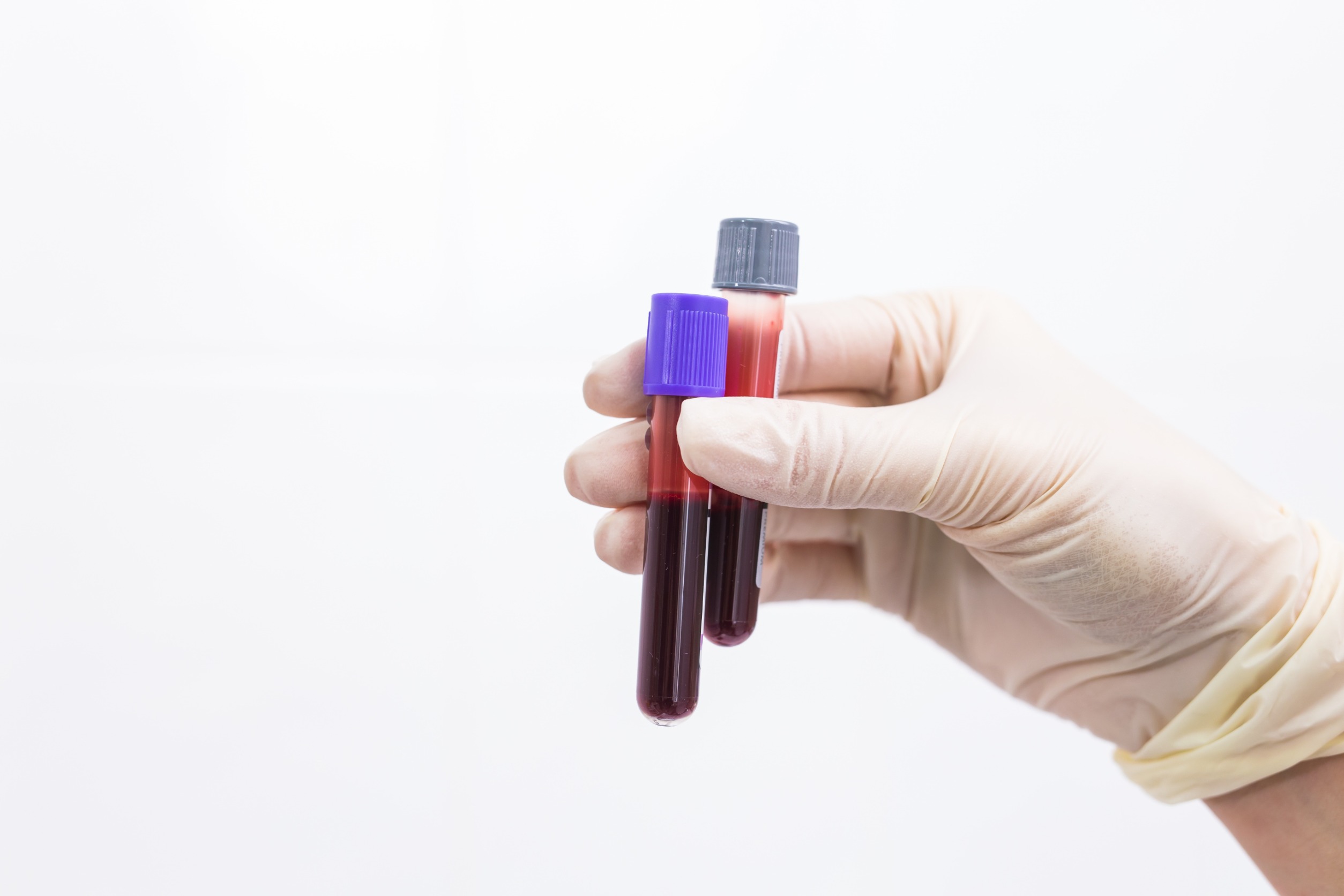 A total PSA test is another screening test, alongside a prostate examination, that can detect prostate cancer without symptoms. If the doctor feels any concerning changes during the examination, or if the prostate-specific antigen (PSA) level is raised, a more detailed imaging examination (ultrasound) or a tissue sample from the organ (biopsy) may be necessary. If examination by touch reveals no abnormalities and the total PSA level is slightly raised, the doctor may request a test to determine the ratio of free PSA to total PSA. This helps distinguish prostate cancer from other conditions that cause a rise in total PSA levels.
A raised PSA level may be due to other conditions, such as benign prostatic hyperplasia (BPH), urinary tract infections or inflammation of the prostate.
As examining the prostate by touch can cause PSA levels to rise, blood for a PSA test should be collected before the examination or no earlier than the following day.
Other factors that may also cause a temporary rise in PSA levels:
• ultrasound of the prostate,
• prostate biopsy,
• removal of part of the prostate — for a reliable PSA measurement, testing should take place only after approximately 6 weeks following the procedure,
• vigorous exercise, such as cycling (you should avoid vigorous physical activity for at least 24h before the test),
• taking high doses of certain medicines, such as cyclophosphamide or methotrexate,
• infection.
| Choose the package, test or medical consultation you are interested in from the shop and buy online. When you use BadamySie.pl you pay no additional fee for blood collection at the laboratory (if you do not use BadamySie.pl, a fee is always added when you purchase tests in person at the clinic). |
Total prostate-specific antigen (PSA) results may be interpreted differently depending on the reference ranges used by the laboratory. The result report is issued in Polish. However, a normal PSA level is generally considered not to exceed 4.0 ng/ml.
A level above 10.0 ng/ml indicates an increased risk of prostate cancer (a probability of 67%).
A PSA level between 4.0 ng/ml and 10.0 ng/ml may indicate prostate cancer (approximately a 25% chance), benign (non-cancerous) enlargement of the prostate or inflammation of the prostate. These conditions, like a raised total PSA level, are more common in older men. A total PSA level between 4.0 ng/ml and 10.0 ng/ml is known as the “grey zone”. In this situation, measuring free PSA is very helpful. If the level of this fraction is low, the risk of prostate cancer increases; if the free PSA level is raised, the risk decreases. Measuring the ratio of free PSA to total PSA helps determine whether a biopsy should be performed (if a cancerous lesion is suspected).
In men who have already been diagnosed with prostate cancer, PSA testing during treatment is used to monitor the effectiveness of therapy. The marker level should begin to fall early in treatment. By the end of treatment, PSA should be at a very low or even undetectable level. If PSA does not fall during treatment, this indicates that the therapy is not very effective.
After successful treatment for prostate cancer, the patient should have their PSA level measured every year to detect any recurrence of the disease.
| Check whether our laboratories are already available in your city! With BadamySie.pl you can have a PSA test quickly, without a referral and without waiting. |
* If your results are outside the reference range, we recommend consulting a doctor.
Laboratory blood tests, medical consultations and other medical diagnostic services in: Warsaw, Krakow, Katowice, Łódź, Poznań, Wrocław, Szczecin, Gdynia, Sopot, Gdańsk, Opole, Lublin, Gliwice, Bydgoszcz, Kołobrzeg, Rzeszów, Gorzów Wielkopolski, Opole, Jelenia Góra, Koszalin, Ostrołęka, Płock, Świecie, Przemyśl, Zabrze, Wodzisław Śląski, Radom, Otwock, Olsztyn, Aleksandrów, Płońsk, Łowicz, Bełchatów, Bełżyce, Chełm, Dąbrówka, Bogatynia, Bychawa, Białystok, Drzewica, Nowe Miasto Nad Pilicą, Działdowo, Garwolin, Głogów, Goleniów, Gorzyce, Iłża, Jelenia Góra, Koło, Kostrzyn, Kościan, Krzywiń, Kutno, Legionowo, Lesko, Lidzbark Welski, Łomża, Mińsk Mazowiecki, Nowy Sącz, Mielec, Malbork, Oborniki Śląskie, Poddębice, Przeworsk, Pułtusk, Raciąż, Racibórz, Rybnik, Sanok, Siedlce, Sierpc, Skórzewo, Sochaczew, Swarzędz, Szydłowiec, Tuchola, Wejherowo, Wysokie Mazowieckie, Wyszków, Ząbki, Zambrów, Żuromin, Żychlin, Kwidzyn, Kościerzyna, Cedry Wielkie, Prabuty, Pruszcz Gdański, Jarosław, Reda, Rogowiec, Katowice, Częstochowa, Kielce, Jędrzejów, Pińczów, Zamość
Blood test Krakow Łódź Wrocław Poznań Gdańsk Szczecin Bydgoszcz Lublin Gdynia Radom Rzeszów Gliwice Zabrze Olsztyn Bytom Rybnik Gorzów Płock
Where can I get blood tests without a referral?
Blood collection centres with addresses and opening hours: Warszawa · Wrocław · Łódź · Kraków · Poznań · Gdańsk · Szczecin · Bydgoszcz · all cities.
Order your tests online at BadamySie.pl and have them done at a centre of your choice.