

What preventive health checks should a young woman have after turning 20?
 Preventive health checks are extremely important for both women and men – at every age. It is worth remembering that the earlier a disease is diagnosed, the easier it is to treat. Older people think about their health more often and are more likely to choose a range of preventive health checks. Young people undergo routine health checks much less frequently. In keeping with the principle that “prevention is better than cure”, it is worth familiarising yourself with a preventive health check schedule and monitoring your health regularly.
It is never too early for preventive health checks. Just as parents arrange tests for their children from time to time, and people living with various conditions look after themselves and monitor their health, young women should also think about their own health. There is already a list of recommended tests for young women who have turned 20, which every woman, even at this young age, should bear in mind!
Laboratory tests that women over 20 should have!
- Full blood count with automated differential is the test that most often forms the basis of an assessment of a patient’s health. This type of analysis provides a qualitative and quantitative assessment of the cells circulating in the blood: erythrocytes, white blood cells and platelets. The automated differential also identifies at least 5 types of white blood cells. An abnormal test result may indicate, among other things, infection, anaemia, inflammation, an infectious illness or an allergy. The result report is issued in Polish.
Find out more – what is a full blood count and how should you prepare for it?
- ESR, or erythrocyte sedimentation rate (known in Polish as OB, Odczyn Biernackiego), is a test that measures how quickly red blood cells settle. A raised ESR may indicate, for example, inflammation, autoimmune diseases, thyroid diseases, cancer, a heart attack, rheumatoid arthritis, liver conditions or raised cholesterol levels. A low ESR, on the other hand, may suggest an allergy, jaundice, chronic circulatory failure or polycythaemia.
- Urinalysis is also one of the most frequently recommended laboratory tests, as it provides a great deal of valuable information about a patient’s health. It helps assess a patient’s tendency to
 form stones, and also enables the diagnosis of conditions including jaundice, diabetes, kidney diseases, liver diseases, urinary tract inflammation, bladder cancer, urethral infection and even heart failure.

Find out more about urine testing!
It is worth having your blood cholesterol level checked once every three or four years. However, if members of your family have obesity and raised cholesterol, this test should be performed once a year.
- LDL cholesterol, known as “bad cholesterol”, is measured in a biochemical test that forms part of the lipid profile. It enables the detection of atherosclerosis, a heart attack or coronary heart disease.
- HDL cholesterol, or “good cholesterol”, is measured in a biochemical test similar to LDL, enabling the diagnosis of atherosclerosis, liver diseases, stroke and heart attack.
- Creatinine is a substance produced through metabolism, mainly in skeletal muscles, and is used to assess glomerular filtration. This organic compound is found in the blood and in urine, through which it is excreted. A raised creatinine level may indicate kidney diseases (such as acute or chronic kidney failure), poisoning with organic or inorganic compounds, as well as the use of certain medicines, shock or hypertension.
- Thyroid-stimulating hormone (TSH) – laboratory test measures the level of thyrotropin, a hormone secreted by the pituitary gland. An excessively high TSH level may indicate an underactive thyroid, while an excessively low thyrotropin level may suggest an overactive thyroid, an underactive pituitary gland, existing Graves’ disease or the development of a toxic nodular goitre.
- Glucose – laboratory test assesses the blood sugar level. It is performed to establish whether blood sugar is within the normal range, as one of the basic tests during pregnancy, and when hyperglycaemia or hypoglycaemia is suspected and
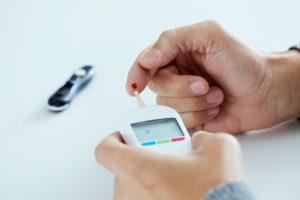 to monitor the effectiveness of treatment for these conditions. Glucose testing enables the detection not only of type I diabetes, type II diabetes and gestational diabetes, but also of adrenal gland disorders, pituitary gland disorders, impaired glucose tolerance and even inflammation or cancer of the pancreas.
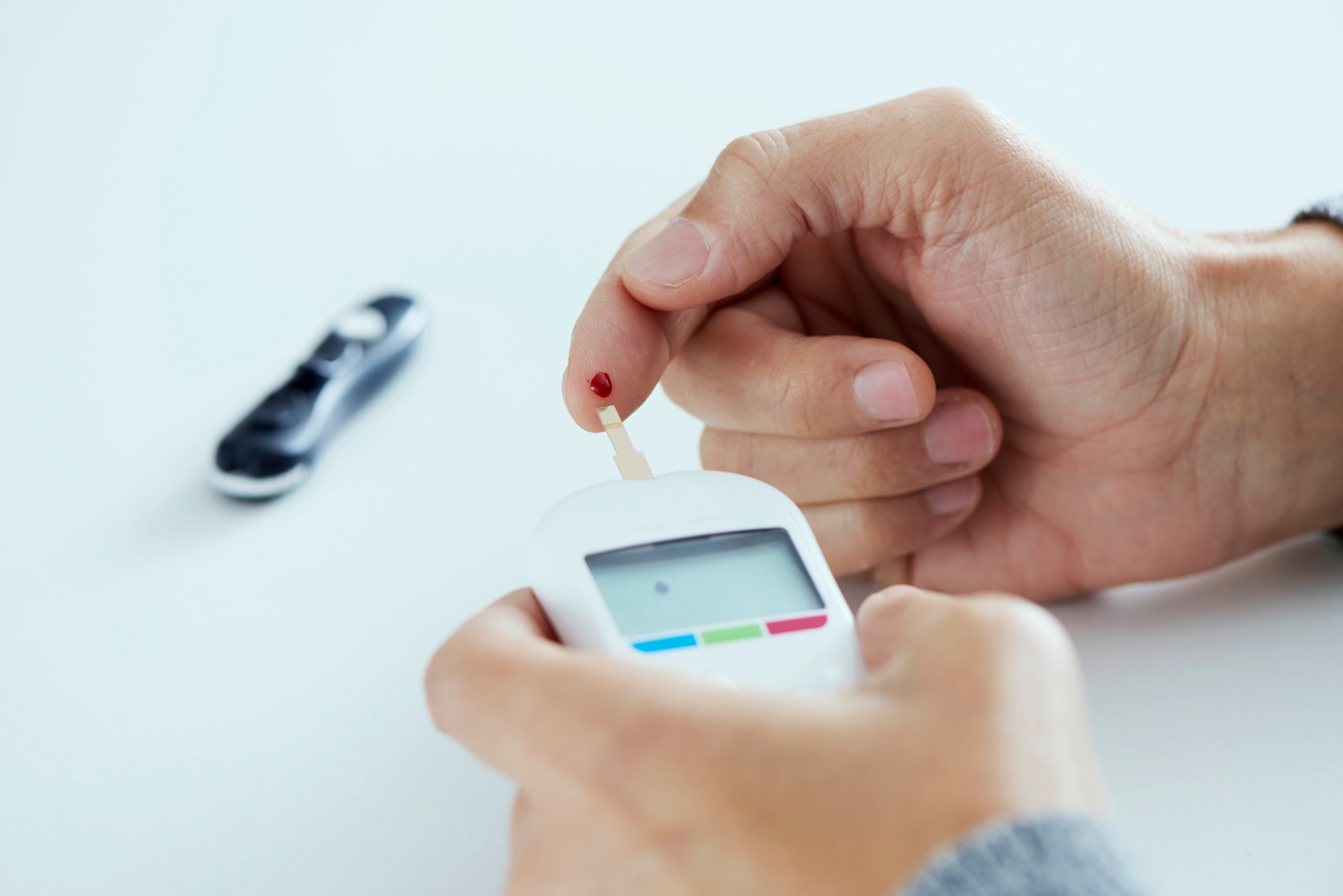
- The ALAT test, which measures alanine aminotransferase, is a test used to assess liver function. A raised or reduced ALAT level may indicate conditions including chronic hepatitis, acute hepatitis, jaundice, liver cirrhosis, circulatory failure, insufficient oxygen in the tissues, inflammation of the bile ducts, cholestasis, primary liver tumours and thyroid diseases.
- Ferritin – laboratory test measures the concentration of a protein responsible for storing iron in the body. An excessively high level may suggest, for example, inflammation in the body, existing infections, damage to the spleen, liver cell necrosis, damage to bone marrow cells, as well as iron overload or rheumatoid arthritis.
- Testing the level of vitamin D3. Research shows that 92% of women (a sample of 1500 people) from Central and Northern Europe have vitamin D levels that are too low (<20 ng/ml). Vitamin D is called the “elixir of life” because it protects against a range of lifestyle-related diseases and cancers. The main role of vitamin D is to regulate and control calcium and phosphorus levels in the blood and to support the circulatory system. An excessively low vitamin D3 level causes many chronic diseases, which may include heart conditions, conditions associated with deteriorating bone health and autoimmune diseases. Researchers at Ulster University (United Kingdom) have demonstrated that vitamin D deficiency causes the immune system to function abnormally. If we take vitamin D3 supplements, we must obtain vitamin K2 from food (fermented vegetables and cheeses). Vitamins D3 and K2 act synergistically with calcium and magnesium. Vitamins D3 and K2 in particular must go hand in hand, because the biological action of K2 is weakened by a lack of vitamin D3. It turns out that vitamin K2 deficiency can be just as dangerous as D3 deficiency and can cause brittle bones or disorders of the vascular system.
On BadamySie.pl, you can buy a laboratory test package designed for women over 20. The package includes: full blood count with automated differential, urinalysis, erythrocyte sedimentation rate, creatinine, TSH, glucose, ALAT and ferritin.
The very important checks that every woman over 20 should have include not only laboratory tests, but also:
- A gynaecological consultation with a pelvic ultrasound scan is recommended for all women. Women who have become sexually active should arrange a gynaecological appointment once a year, or once every six months if they take the contraceptive pill. Women who have not yet become sexually active are advised to see a gynaecologist once every two years.
A gynaecological, or transvaginal, ultrasound scan enables the detection of abnormalities such as ovarian cysts, uterine fibroids and ovarian cancer. Transvaginal ultrasound is also performed in early pregnancy, in cases of ectopic pregnancy or when there is a risk of miscarriage.
- Cervical cytology is a cervical smear test, often performed during a gynaecological examination. It is primarily used to detect cervical cancer, but also to monitor conservative and surgical treatment of cervical erosion, assess the effects of hormonal pills, and establish the length of the menstrual cycle and the timing of ovulation. As a preventive measure, cervical cytology should be performed once a year.
- CA125 antigen
 is a tumour marker that enables the detection not only of ovarian cancer, but also of breast cancer, pancreatic cancer, gastrointestinal cancer, lung adenocarcinoma and endometrial cancer. The marker enables both diagnosis and monitoring of treatment effectiveness, detection of recurrence and assessment of prognosis. CA125 testing is also often used in the diagnosis of endometriosis. It is important to know that a raised antigen level does not necessarily indicate a serious disease. It may also result from, among other things, inflammation, ectopic pregnancy, pneumonia, liver diseases, heart failure, pericarditis and even diabetes.
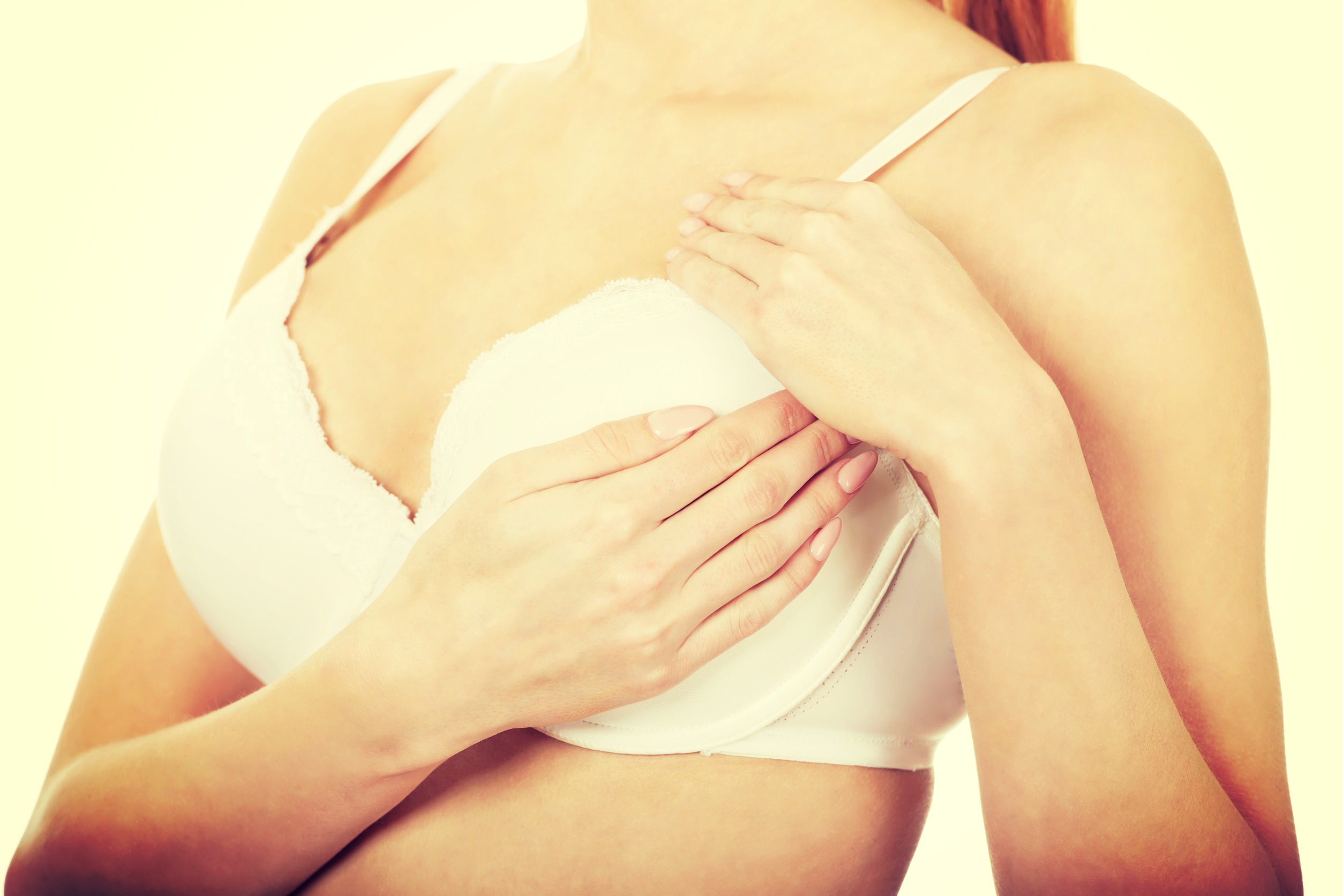
- Breast ultrasound – this examination uses ultrasound waves to produce images of the tissues that make up the breast. Ultrasound enables the detection of even small abnormalities measuring just a few millimetres. Breast ultrasound is painless, non-invasive and completely safe. It is best to have it after turning 20 and then repeat it once a year. It is also worth remembering to perform a monthly breast self-examination, which enables the detection of concerning changes such as lumps, fibromas and lipomas.
Find out how to perform a breast self-examination!
An ophthalmology consultation should be arranged every 3 years. Women who wear glasses or contact lenses should see an ophthalmologist as advised by their doctor.
Remember! The earlier tests are performed and a disease is diagnosed, the greater the chances of a quick and complete recovery!
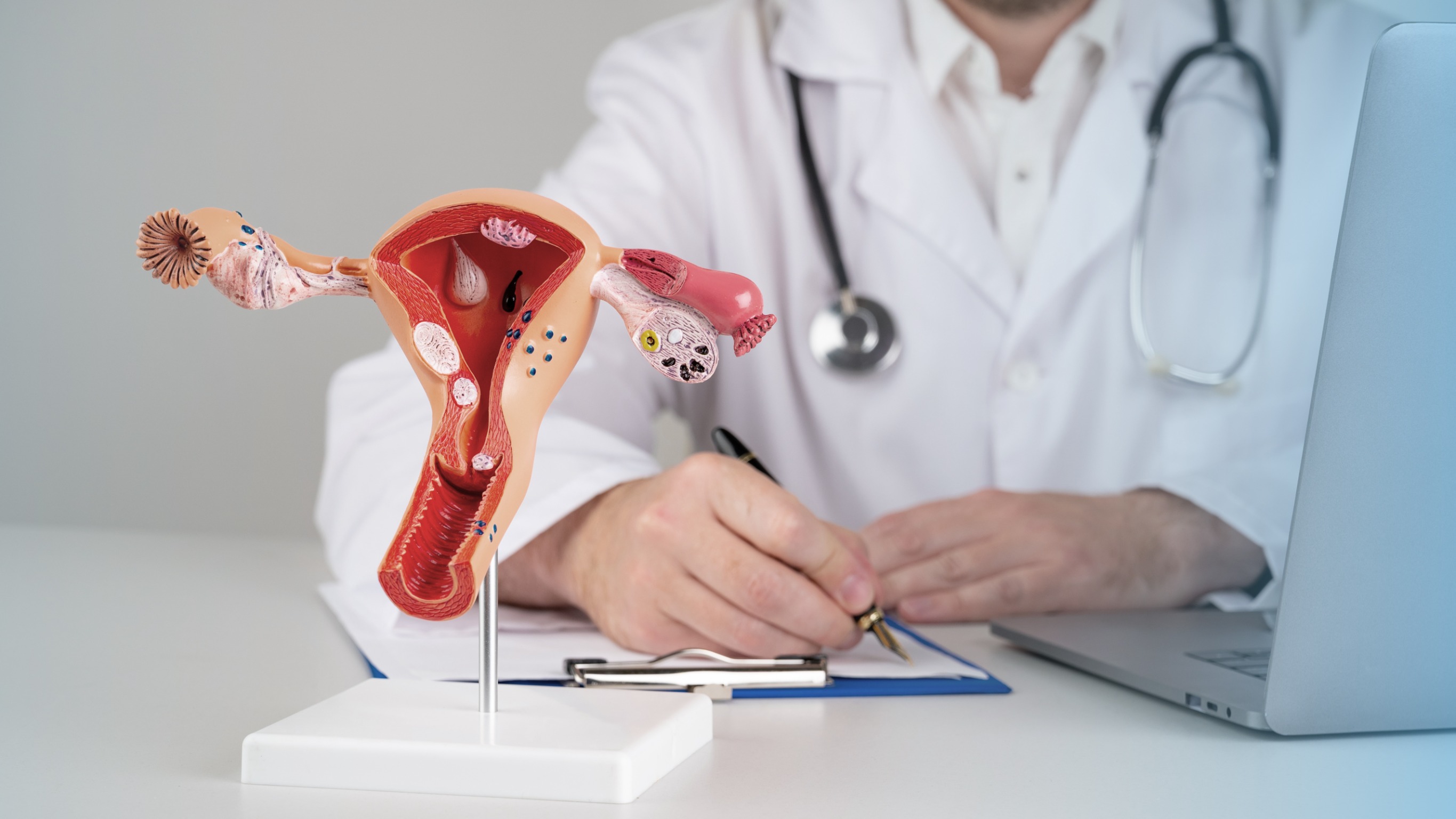
Unfortunately, Narodowy Fundusz Zdrowia (National Health Fund) does not have the funds to pay for preventive health checks for all healthy people, so we should not expect a GP to issue referrals for these important tests.
The online medical services shop BadamySie.pl can help: simply select your voivodeship and town or city, then buy your chosen tests, test packages or medical consultations. All the arrangements can be made quickly and efficiently from your own home, at your computer.
Warsaw, Krakow, Katowice, Łódź, Poznań, Wrocław, Szczecin, Gdynia, Sopot, Gdańsk, Opole, Lublin, Gliwice, Bydgoszcz, Kołobrzeg, Rzeszów, Gorzów Wielkopolski, Opole, Jelenia Góra, Koszalin, Ostrołęka, Płock, Świecie, Przemyśl, Zabrze, Wodzisław Śląski, Radom, Otwock, Olsztyn, Aleksandrów, Płońsk, Łowicz, Bełchatów, Bełżyce, Chełm, Dąbrówka, Bogatynia, Bychawa, Białystok, Drzewica, Nowe Miasto Nad Pilicą, Działdowo, Garwolin, Głogów, Goleniów, Gorzyce, Iłża, Jelenia Góra, Koło, Kostrzyn, Kościan, Krzywiń, Kutno, Legionowo, Lesko, Lidzbark Welski, Łomża, Mińsk Mazowiecki, Nowy Sącz, Mielec, Malbork, Oborniki Śląskie, Poddębice, Przeworsk, Pułtusk, Raciąż, Racibórz, Rybnik, Sanok, Siedlce, Sierpc, Skórzewo, Sochaczew, Swarzędz, Szydłowiec, Tuchola, Wejherowo, Wysokie Mazowieckie, Wyszków, Ząbki, Zambrów, Żuromin, Żychlin, Kwidzyn, Kościerzyna, Cedry Wielkie, Prabuty, Pruszcz Gdański, Jarosław, Reda, Rogowiec, Katowice, Częstochowa, Kielce, Jędrzejów, Pińczów, Zamość
Tests for women in the following towns and cities: Warsaw, Krakow, Katowice, Łódź, Poznań, Wrocław, Szczecin, Gdynia, Sopot, Gdańsk, Opole, Lublin, Gliwice, Bydgoszcz, Kołobrzeg, Rzeszów, Gorzów Wielkopolski, Opole, Jelenia Góra, Koszalin, Ostrołęka, Płock, Świecie, Przemyśl, Zabrze, Wodzisław Śląski, Radom, Otwock, Olsztyn, Aleksandrów, Płońsk, Łowicz, Bełchatów, Bełżyce, Chełm, Dąbrówka, Bogatynia, Bychawa, Drzewica, Nowe Miasto Nad Pilicą, Działdowo, Garwolin, Głogów, Goleniów, Gorzyce, Iłża, Jelenia Góra, Koło, Kostrzyn, Kościan, Krzywiń, Kutno, Legionowo, Lesko, Lidzbark Welski, Łomża, Mińsk Mazowiecki, Nowy Sącz, Mielec, Malbork, Oborniki Śląskie, Poddębice, Przeworsk, Pułtusk, Raciąż, Racibórz, Rybnik, Sanok, Siedlce, Sierpc, Skórzewo, Sochaczew, Swarzędz, Szydłowiec, Tuchola, Wejherowo, Wysokie Mazowieckie, Wyszków, Ząbki, Zambrów, Żuromin, Żychlin, Kwidzyn, Kościerzyna, Cedry Wielkie, Prabuty, Pruszcz Gdański, Jarosław, Reda, Rogowiec, Katowice, Częstochowa, Kielce, Jędrzejów, Pińczów, Zamość.
Medical review: Dr Tomasz Niewęgłowski, MD, PhD, specialist in internal medicine and sports medicine (PWZ 4049405, prawo wykonywania zawodu – Polish medical licence number). Editorial Team: mgr Ewelina Cabaj (managing editor), Izabella Redzińska, registered nurse (verification of procedures and healthcare facility details), mgr Joanna Sosnal, clinical dietitian (review of nutrition content). This content is for informational purposes only and does not replace medical advice. AI tools were used for language editing; the content was checked by the editorial team. Editorial policy and team profiles.
Where can I get blood tests without a referral?
Blood collection centres with addresses and opening hours: Warszawa · Wrocław · Łódź · Kraków · Poznań · Gdańsk · Szczecin · Bydgoszcz · all cities.
Order your tests online at BadamySie.pl and have them done at a centre of your choice.