
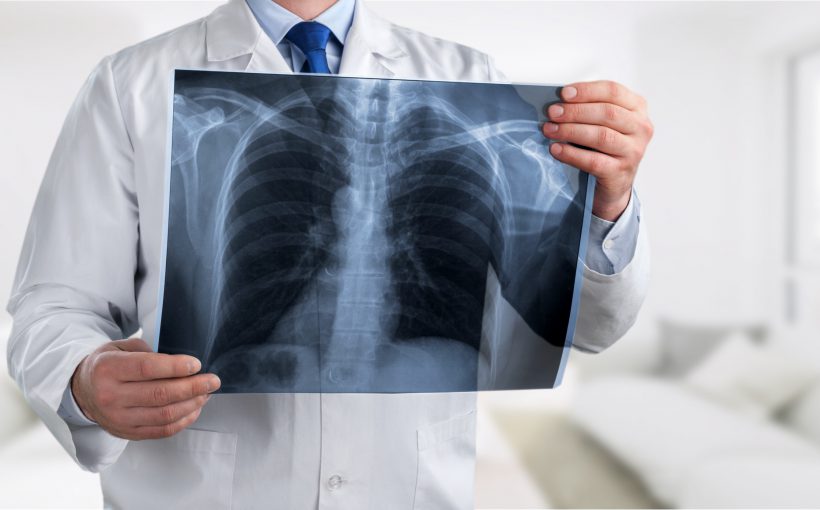
PREPARATION AND CONTRAINDICATIONS FOR THE EXAMINATION:
 For an X-ray of the lumbosacral spine, you need to be on an empty stomach and have emptied your bowels. On the day before the examination, follow these instructions:
- breakfast – easily digestible food
- lunch – jelly or kisiel (a thickened fruit dessert), or alternatively a liquid meal
- in the afternoon, at around 16:00, take laxatives (non-herbal)
- take two Espumisan tablets in the evening and another two in the morning, and throughout the day drink only water or sugar-free NON-CARBONATED drinks.
However, the examination must not be performed during pregnancy.
For other X-ray examinations, there are no special preparation instructions. This is a brief examination that can be performed at almost any time of day. If necessary, it can be repeated many times. It is performed on people of all ages.
Remember that X-rays in high doses are harmful to the human body, although the examination uses low doses and a very short exposure time. However, there is no point in objecting when a doctor requests an X-ray, as the benefits of an accurate diagnosis far outweigh any potential negative effects on health.
ABOUT THE EXAMINATION:
Radiography is an imaging technique that uses X-ray radiation. An X-ray examination involves passing controlled doses of X-rays through a selected part of the patient’s body (e.g. the chest) onto a perpendicular plane containing an X-ray detector. It is frequently used in medicine, mainly to diagnose conditions affecting the skeletal system. This method makes use of the human body’s ability to absorb penetrating X-ray radiation. Before the examination, X-ray films are placed in light-tight cassettes between two special intensifying screens (known as phosphors), which make the film more sensitive to X-rays and thus allow the radiation dose to be reduced. Radiation passing through the body darkens the photographic film. Bone tissue has a much greater capacity to absorb radiation than the surrounding soft tissues, so it appears as an area that is not darkened on the film.
HOW THE EXAMINATION IS PERFORMED:
X-rays are performed in ETER-MED radiology departments: at the ETER-MED clinic at ul. Jaskółcza 7/15 in Gdańsk and at the ETER-MED clinic in Oliwa (near the SKM [Szybka Kolej Miejska – Fast Urban Railway] Gdańsk-Żabianka station) at ul. Górskiego 1 /on the grounds of Akademia Wychowania Fizycznego i Sportu (University of Physical Education and Sport)/.
The patient stands or sits facing a cassette containing photographic film. Before the examination, X-ray films are placed in light-tight cassettes. The cassette is always positioned as close as possible to the patient’s body, while the X-ray tube is positioned at a set distance (usually 2 m). This prevents distortion of the images of the different layers of the patient’s body being exposed. For a chest X-ray, the patient takes a breath and holds it for a few seconds (to prevent the image from being blurred). During this time, the radiographer takes the X-ray. The entire examination takes only a few minutes.
PURPOSE OF THE EXAMINATION:
The results of an X-ray examination are often decisive in recommending appropriate treatment. The result report is issued in Polish. They allow abnormalities in the structure or function of the organ being examined to be detected. They help identify the disease process, its nature and its stage. Radiological methods are particularly useful in diagnosing the consequences of injuries, cancer, cardiovascular diseases and changes in bones and joints. They form the basis for treatment in general surgery, cardiac surgery, vascular surgery, neurosurgery, urology and orthopaedics, as they help determine whether surgery is indicated.
INDICATIONS FOR THE EXAMINATION:
-
Injuries (fractures or dislocations)
-
Changes in bone structure in rheumatic diseases, degenerative diseases or osteoporosis
-
Identifying changes in the lungs (it can detect pulmonary congestion, which is a build-up of fluid that causes breathlessness and may result from heart disease)
-
Looking for signs of heart disease
-
Any conditions affecting the chest
-
Chest injuries
-
Developmental abnormalities of organs
-
Examination before and after surgery
-
Periodic examinations (chest X-ray) – should be performed every 2 years, and in people at increased risk of lung disease due, for example, to the type of work they do
Diagnosis and assessment of:
-
tuberculosis
-
lung tumours
-
emphysema
-
cardiovascular function
-
the size of the heart and aorta
-
fluid in the pleural cavities
-
a retrosternal thyroid goitre
-
enlarged mediastinal lymph nodes.
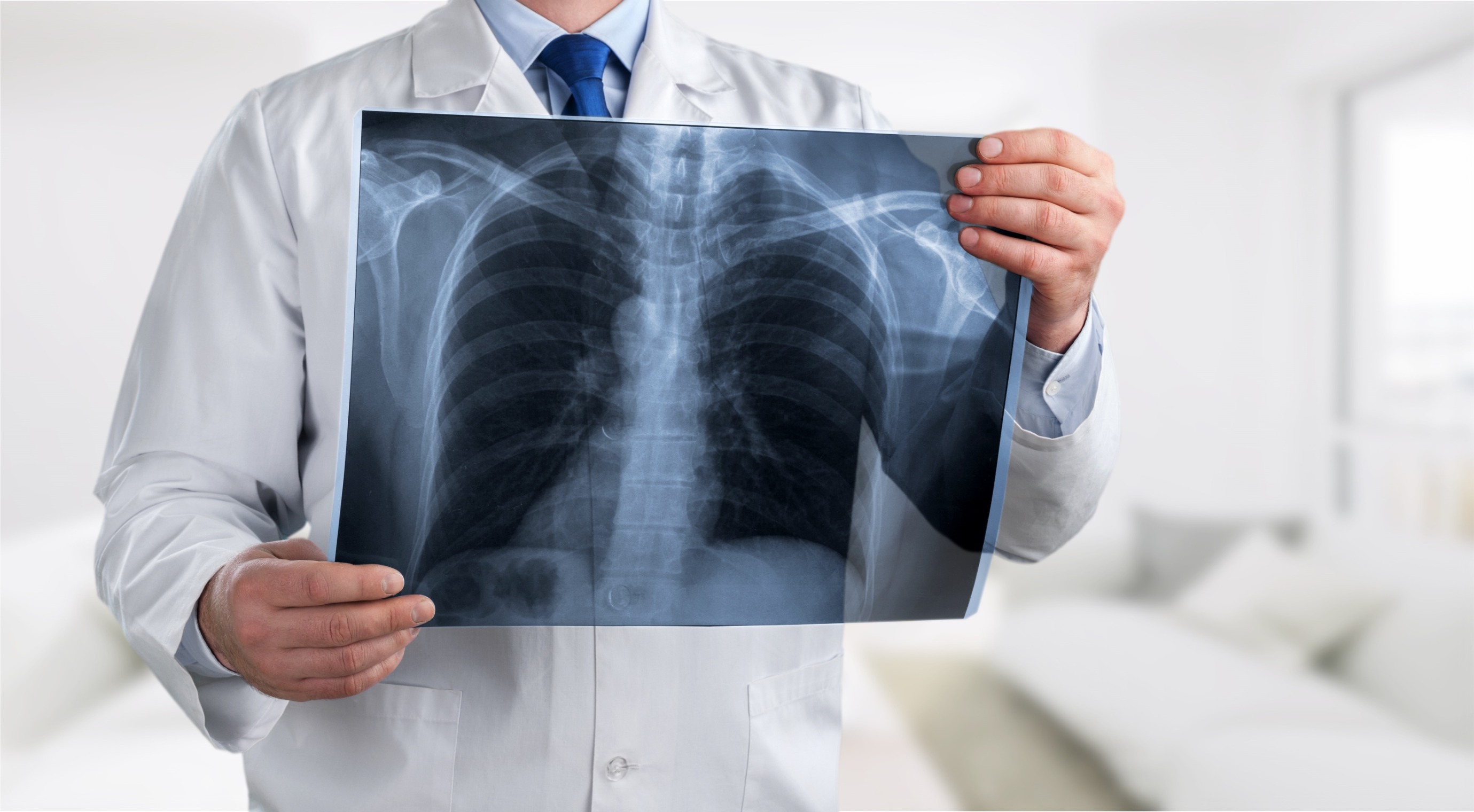
WAITING TIME FOR RESULTS:
The patient receives the result within 3 days of the X-ray examination. The image is analysed by an experienced radiologist, who writes a report. The results of radiological examinations are provided as a written report, together with a CD.

Where can I get blood tests without a referral?
Blood collection centres with addresses and opening hours: Warszawa · Wrocław · Łódź · Kraków · Poznań · Gdańsk · Szczecin · Bydgoszcz · all cities.
Order your tests online at BadamySie.pl and have them done at a centre of your choice.