
 INR and prothrombin time (PT) test
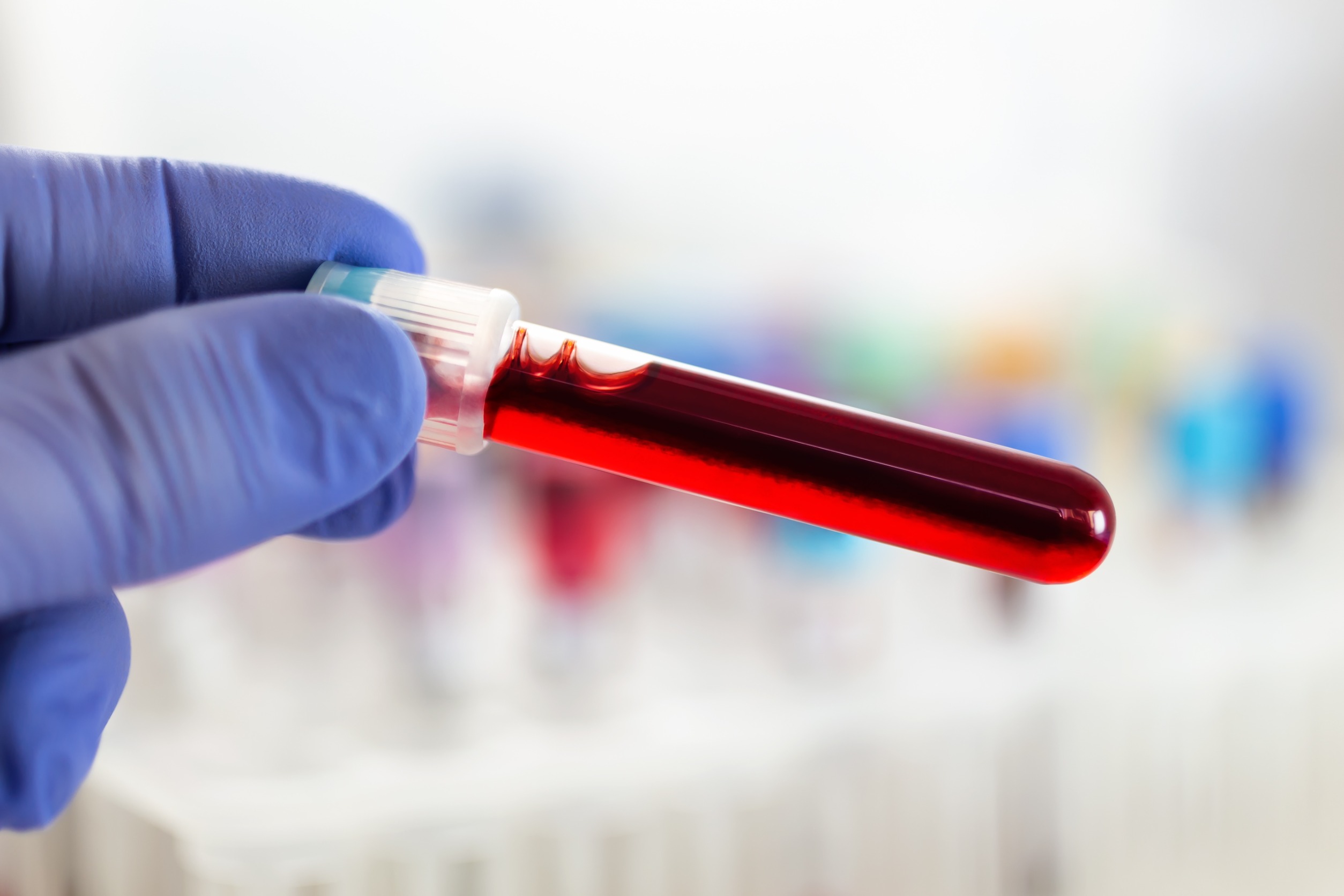
Prothrombin time (PT) assesses how quickly your blood clots. Prothrombin is a protein produced by the liver. The main function of prothrombin is to help blood clot. During clotting (for example, when you cut your finger), prothrombin is converted into thrombin. Prothrombin time is the time it takes for prothrombin to be converted into thrombin or, put simply, the time it takes for blood to form a clot.
The international normalised ratio (INR) is a standardised ratio based on prothrombin time that allows results to be compared regardless of the reagents used. The result report is issued in Polish. It is calculated from PT using a special formula.
In summary: PT and INR are two measures of how quickly blood clots, both related to prothrombin time. They are always performed together: PT is measured in a blood sample, while INR is calculated from the prothrombin time (PT) measurement.
Laboratory reference ranges for the main parameters:
- PT: 12-18 seconds
- PT%: 80-120 %
Prothrombin time in seconds and as a percentage
This is the time needed for a given blood sample to clot in vitro (outside the body). Clotting time may vary depending on the reagent and method used by the laboratory. A normal result ranges between 10 – 12 seconds. When expressed as a percentage, it represents the patient’s result in relation to the reference value.
Values above the reference range indicate that blood takes longer than usual to clot. Lower values mean that blood clots faster than it should.
- INR: 0.9-1.2
Prothrombin time expressed as INR (international normalised ratio)
This allows blood clotting to be assessed regardless of the reagent and method used by the laboratory.
The INR reference range for healthy people who are not taking anticoagulants is 0.9 – 1.3
For people taking anticoagulants, the usual target range is: 2 – 3
For people at high risk of thrombosis, the target range is: 2.5 – 3.5
When should prothrombin time be measured?
- after surgery (to assess the risk of thrombosis)
- in the event of leg or pelvic fractures
- after inflammation and thrombosis of the deep veins of the leg
- during pregnancy and immediately after childbirth
- in women taking oral contraceptives and hormone replacement therapy
- in women with obesity and extensive varicose veins
- in people with cancer
- to assess the blood’s ability to clot (if a clotting system disorder is suspected)
- to assess liver function (if a liver problem is suspected, other liver blood tests are also requested, such as ALT and AST)
- before surgery (for example, tooth extraction or hip replacement) to estimate the risk of thrombosis and/or bleeding.
What a prolonged prothrombin time may indicate
- chronic diseases of the liver tissue
- vitamin K deficiency
- use of oral anticoagulants
- disseminated intravascular coagulation
- severe fibrinogen deficiency
- leukaemia
- uraemia
- pernicious anaemia (Addison–Biermer disease)
- use of non-steroidal anti-inflammatory drugs
What a shortened prothrombin time may indicate
- thrombosis
- thrombophilia
- increased factor VII activity
- it also occurs around the time of childbirth
An elevated INR can be life-threatening and may cause internal bleeding, while a shortened prothrombin time causes life-threatening emboli within veins, blocking the blood supply to internal organs.
To have this test done quickly, without a referral and without waiting, you can purchase it through BadamySie.pl https://badamysie.pl/produkt/inr-badanie-laboratoryjne/
Laboratory blood tests, medical consultations and other medical diagnostic services in the following towns and cities: Warsaw, Krakow, Katowice, Łódź, Poznań, Wrocław, Szczecin, Gdynia, Sopot, Gdańsk, Opole, Lublin, Gliwice, Bydgoszcz, Kołobrzeg, Rzeszów, Gorzów Wielkopolski, Opole, Jelenia Góra, Koszalin, Ostrołęka, Płock, Świecie, Przemyśl, Zabrze, Wodzisław Śląski, Radom, Otwock, Olsztyn, Aleksandrów, Płońsk, Łowicz, Bełchatów, Bełżyce, Chełm, Dąbrówka, Bogatynia, Bychawa, Białystok, Drzewica, Nowe Miasto Nad Pilicą, Działdowo, Garwolin, Głogów, Goleniów, Gorzyce, Iłża, Jelenia Góra, Koło, Kostrzyn, Kościan, Krzywiń, Kutno, Legionowo, Lesko, Lidzbark Welski, Łomża, Mińsk Mazowiecki, Nowy Sącz, Mielec, Malbork, Oborniki Śląskie, Poddębice, Przeworsk, Pułtusk, Raciąż, Racibórz, Rybnik, Sanok, Siedlce, Sierpc, Skórzewo, Sochaczew, Swarzędz, Szydłowiec, Tuchola, Wejherowo, Wysokie Mazowieckie, Wyszków, Ząbki, Zambrów, Żuromin, Żychlin, Kwidzyn, Kościerzyna, Cedry Wielkie, Prabuty, Pruszcz Gdański, Jarosław, Reda, Rogowiec, Katowice, Częstochowa, Kielce, Jędrzejów, Pińczów, Zamość.
Where can I get blood tests without a referral?
Blood collection centres with addresses and opening hours: Warszawa · Wrocław · Łódź · Kraków · Poznań · Gdańsk · Szczecin · Bydgoszcz · all cities.
Order your tests online at BadamySie.pl and have them done at a centre of your choice.