
 Thyroid conditions – diagnosis through laboratory blood tests: how much does it cost?
Before we look at the prices of laboratory tests used to diagnose thyroid conditions, let us consider what this gland is. The thyroid is a small gland that plays a very important role in keeping the body functioning properly. It is located in the neck and throat area, just behind the windpipe. The thyroid regulates metabolism and affects heart function, weight, energy levels and the body’s calcium–phosphate balance. It produces the hormones thyroxine, triiodothyronine and calcitonin.
When the thyroid is affected by disease, it does not hurt and initially causes no symptoms. However, the effects of thyroid dysfunction can be very serious and should not be ignored. Laboratory tests are essential for diagnosing thyroid conditions.
Which tests are used to diagnose and monitor thyroid conditions?
TSH – thyroid-stimulating hormone – is a hormone released by the pituitary gland that stimulates the thyroid to produce thyroxine and triiodothyronine. A TSH test is performed when an overactive thyroid or an underactive thyroid is suspected, and to monitor thyroid hormone replacement treatment.
T4 – thyroxine – is a hormone produced by the thyroid, while FT4 is free thyroxine. Thyroxine levels are tested in people with suspected underactive thyroid, overactive thyroid, pituitary disease or thyroid cancer, as well as in people with an enlarged thyroid gland or autoimmune thyroiditis, and during investigations for infertility.
T3 – triiodothyronine – is a hormone produced by the thyroid, while FT3 is free triiodothyronine. Levels of this hormone are tested primarily when an underactive or overactive thyroid is suspected.
Anti-TPO antibodies are thyroid antibodies. Their levels are tested, among other reasons, to diagnose autoimmune thyroid conditions, in people with rheumatoid arthritis, systemic lupus erythematosus or pernicious anaemia, and to decide whether certain medicines, such as amiodarone or interferon alfa, can be used.
Anti-TG antibodies are thyroid antibodies, a group of proteins produced in the thyroid gland. Their levels are tested when a goitre in the neck has been diagnosed, when thyroid cancer, Hashimoto’s disease or Graves’ disease is suspected, and in women who have had several miscarriages or have difficulty becoming pregnant.
Thyroid dysfunction
There are two main types of thyroid dysfunction: an underactive thyroid and an overactive thyroid. Following appropriate diagnostic investigations, these problems are managed by doctors specialising in endocrinology. Treatment involves regulating thyroid hormone levels with suitable medicines.
Other common abnormalities affecting the gland’s structure and function include diffuse non-toxic goitre, non-toxic or toxic nodular goitre, solitary thyroid nodules, including follicular or oxyphilic nodules, thyroiditis, particularly autoimmune Hashimoto’s disease, and thyroid tumours.
A non-toxic goitre is an enlargement of the thyroid that is neither cancerous nor inflammatory and is accompanied by normal thyroid hormone levels.
Non-toxic goitre affects four times as many women as men. According to WHO, 22 per cent of adults in Poland have this problem. These figures led to the introduction of mandatory iodisation of table salt in Poland from 1997.
Thyroid cancer
Thyroid cancer is a rare disease, accounting for just 1 per cent of cancers in humans. It most commonly presents as a hard, painless lump and enlarged lymph nodes in the neck. With increasing access to good-quality ultrasound scans and fine-needle aspiration biopsy, thyroid cancer is being detected at an early stage, meaning that its diameter is less than 1 cm. In Poland, there are around 2000 new cases of thyroid cancer each year.
Hyperparathyroidism
Tiny endocrine glands called the parathyroid glands lie immediately next to the thyroid gland. There are 4-8 of them, and they regulate the body’s calcium–phosphate balance. They release a hormone called parathyroid hormone (PTH). Increased secretion of parathyroid hormone causes blood calcium levels to rise (hypercalcaemia). Excess parathyroid hormone leads to increased bone breakdown and release of calcium from the bones, increased absorption of calcium from the digestive tract and increased excretion of phosphate by the kidneys. Primary hyperparathyroidism affects women more often than men.
The causes of primary hyperparathyroidism can vary: single or multiple parathyroid adenomas and, very rarely, cancer.
Treatment for primary hyperparathyroidism involves surgical removal of the parathyroid adenoma. Drug treatment is an alternative, but it is considerably less effective.
Both thyroid and parathyroid operations are available at the LUX MED Group Hospital. A very well-equipped operating suite, postoperative monitoring rooms and a small diagnostic laboratory allow the patient’s condition to be monitored closely during their hospital stay.
Symptoms of nodular goitre:
- a cosmetic concern/a large lump in the neck,
- pressure symptoms, breathlessness associated with narrowing of the windpipe,
- difficulty swallowing caused by pressure on the oesophagus,
- hoarseness caused by impaired function of the recurrent laryngeal nerve and, consequently, the vocal cord,
- superior vena cava syndrome, which means impaired venous blood flow from the upper body to the heart due to compression of the superior vena cava by a goitre extending behind the breastbone.
 Do you need a referral for tests to monitor your thyroid?
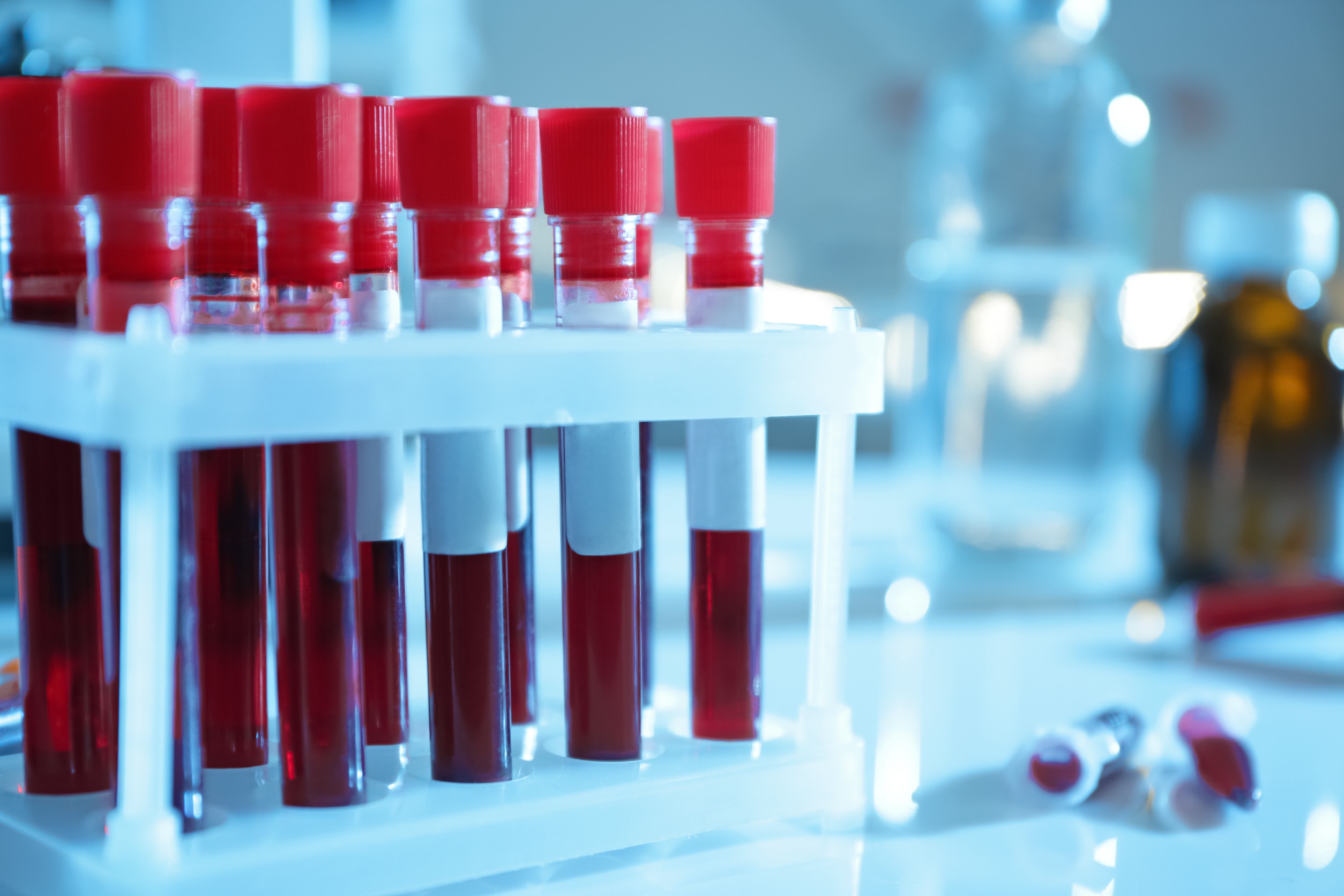
A GP (general practitioner, or primary care physician) can only issue a referral for a TSH test. Other diagnostic investigations for thyroid conditions are only available through specialist care. Only an endocrinologist can issue a referral for tests such as free triiodothyronine (FT3), free thyroxine (FT4), anti-TPO and anti-TG antibodies. However, you also need a referral to make an appointment with an endocrinologist, and the waiting time for a consultation can be several months.
You can, however, have the tests done privately. You do not then need to wait for a consultation with a GP or an endocrinologist.
Where can you check the current price of a panel of laboratory blood tests for thyroid conditions? Current prices are shown on BadamySie.pl.
Many factors contribute to the price of a blood test, including:
• The pay of the nurse collecting the blood,
• The pay of the biomedical scientists in the laboratory,
• Expenditure on single-use items for blood collection and subsequent analysis,
• Depreciation of blood analysis equipment.
It is therefore not possible to carry out a test, let alone a panel of tests for thyroid conditions, for a token fee; current prices are shown on BadamySie.pl. Advertised offers such as “a test for half the price” should also give you pause for thought.
At most laboratories, a blood collection fee must be added to the cost of analysing the sample. This fee is not charged if you buy the test through the Polish online shop BadamySie.pl.
In addition to laboratory tests, it is also worth having a thyroid ultrasound scan.
Thyroid laboratory tests in the following towns and cities: Warsaw, Krakow, Katowice, Łódź, Poznań, Wrocław, Szczecin, Białystok, Gdynia, Sopot, Gdańsk, Opole, Lublin, Gliwice, Bydgoszcz, Kołobrzeg, Rzeszów, Gorzów Wielkopolski, Opole, Jelenia Góra, Koszalin, Ostrołęka, Płock, Świecie, Przemyśl, Zabrze, Wodzisław Śląski, Radom, Otwock, Olsztyn, Aleksandrów, Płońsk, Łowicz, Bełchatów, Bełżyce, Chełm, Dąbrówka, Bogatynia, Bychawa, Drzewica, Nowe Miasto Nad Pilicą, Działdowo, Garwolin, Głogów, Goleniów, Gorzyce, Iłża, Jelenia Góra, Koło, Kostrzyn, Kościan, Krzywiń, Kutno, Legionowo, Lesko, Lidzbark Welski, Łomża, Mińsk Mazowiecki, Nowy Sącz, Mielec, Malbork, Oborniki Śląskie, Poddębice, Przeworsk, Pułtusk, Raciąż, Racibórz, Rybnik, Sanok, Siedlce, Sierpc, Skórzewo, Sochaczew, Swarzędz, Szydłowiec, Tuchola, Wejherowo, Wysokie Mazowieckie, Wyszków, Ząbki, Zambrów, Żuromin, Żychlin, Kwidzyn, Kościerzyna, Cedry Wielkie, Prabuty, Pruszcz Gdański, Jarosław, Reda, Rogowiec, Katowice, Częstochowa, Kielce, Jędrzejów, Pińczów, Zamość. Czeladź, Czerniewice, Grudziądz, Kęty, Konstantynów Łódzki, Lutomiersk, Myszków, Olkusztyn, Piotrków Trybunalski, Polkowice, Poniatowa, Poraj, Sławków, Stargard, Tarnobrzeg, Toruń, Wiślica, Wolbrom, Rumia, Żory, Bezrzecze, Legnica, Marki, Siemianowice Śląskie
We have compiled current prices for thyroid tests and 47 other blood tests in our report on how much blood tests cost in Poland in 2026.
Where can I get blood tests without a referral?
Blood collection centres with addresses and opening hours: Warszawa · Wrocław · Łódź · Kraków · Poznań · Gdańsk · Szczecin · Bydgoszcz · all cities.
Order your tests online at BadamySie.pl and have them done at a centre of your choice.