
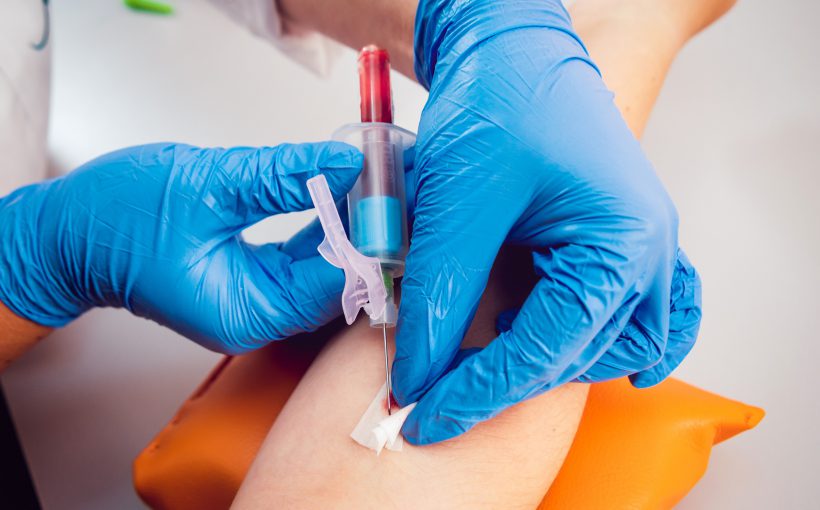
 Blood potassium level – laboratory test.

Potassium is one of the essential electrolytes in the cells of our body. Potassium is needed for the body to function properly: it helps maintain the correct pH, reduces acidity, and is essential for muscle function and the transmission of nerve impulses. Potassium is responsible for the proper functioning of the muscular and nervous systems and affects neuromuscular transmission. It regulates the body’s water balance and is responsible for the activity of certain enzymes. It is therefore very important to avoid a prolonged potassium deficiency in the body. A severe and prolonged potassium deficiency can even be life-threatening. Excessively high levels can lead to conditions such as hypertension, a slow heart rate, ECG abnormalities and others. Excess potassium can cause, for example, tingling in the limbs, whereas a deficiency can cause reduced muscle tone, muscle tremors or painful muscle cramps.
However, you must never take supplements on your own initiative – always discuss this with a doctor first!

| You can buy individual blood tests and blood test packages developed by Polish specialists at BadamySie.pl and have them done at the laboratory you select during purchase, using the confirmation sent to you by email just moments after the transaction. |
The normal blood potassium level is 3.5-5.2 mmol/litr of blood.
Potassium deficiency, also known as hypokalaemia
This means that the potassium level in the body has fallen below 3.5 mmol/litr of blood. If this persists, it can lead to heart disease and even paralysis. Potassium deficiency can occur in patients with cardiovascular conditions, such as hypertension, who take diuretics and heart medicines. Some of these medicines increase potassium excretion in the urine, so during long-term treatment with them, serum potassium levels must be monitored regularly and any deficiency corrected if necessary. Potassium deficiency also occurs with severe vomiting or diarrhoea, most commonly following an overdose of laxatives, with food poisoning or with chronic bowel diseases.
Hypokalaemia also occurs with a deficiency of aldosterone – a hormone produced by the adrenal cortex. Adrenal insufficiency can lead to increased excretion of this mineral and a deficiency.
Other, less common causes of hypokalaemia include extensive burns (loss through plasma), injuries, shock, massive haemorrhage (loss through blood), diabetic coma, steroid treatment and Cushing’s disease or syndrome.
 These deficiencies can occur in people who have hypertension, take diuretics, have food poisoning, or actively participate in sport without replenishing this nutrient.
Symptoms of potassium deficiency:
- You may begin to suspect that you could develop a potassium deficiency after diarrhoea and vomiting. Potassium is excreted along with fluids, so food poisoning or so-called stomach flu can lead to a deficiency. Drink plenty of fluids in this situation. Not drinking enough can further worsen low blood potassium levels. This last situation is particularly common in older people whose thirst-regulating centre does not function properly.
- Keep an eye on your skin. The appearance of acne, a rash or very dry skin may indicate potassium deficiency.
- If you tire quickly and your heart races even with minor exertion, this may also mean that your body needs potassium.
- Potassium deficiency can cause insomnia, anxiety, nervous tension and difficulty relaxing. Difficulty concentrating is also a symptom of hypokalaemia, as potassium helps nerve cells function properly.
- If you have difficulty tolerating heat, sweat heavily or experience menopausal hot flushes, your body may lose increased amounts of potassium through sweat.
- Potassium deficiency often causes problems with muscle function: muscle cramps, muscle pain, muscle weakness, spontaneous muscle tremors in the calves or thighs, and numbness in the lower limbs.
If you have symptoms of potassium deficiency, have a blood test. Your potassium level should be within the range of 3.5-5.2 mmol/l of blood. If potassium deficiency is detected, start providing your body with potassium regularly – this can be through dietary supplements or suitable foods containing enough potassium, such as dried fruit, raisins, apples, kiwi fruit, bananas, tomatoes and meat.
Excess potassium – hyperkalaemia
Hyperkalaemia is very rare and extremely dangerous. It means a serum potassium level above 5.2 mmol/l. It can occur in advanced kidney disease leading to kidney failure or, most commonly, as a result of an overdose of potassium taken as a supplement. You cannot overdose on potassium consumed in natural foods. Raised blood potassium (hyperkalaemia) indicates excessive potassium intake, insufficient excretion by the body (mainly the kidneys), primary adrenal insufficiency (Addison’s disease), hypoaldosteronism, or excessive release of potassium from cells caused by tissue breakdown resulting from an injury or other damage. High blood potassium levels are influenced by excessive breakdown of tissues and glycogen caused by frequent fasting or untreated diabetes, insufficient oxygen in the tissues (metabolic or respiratory acidosis), and certain medicines (indometacin). Some medicines also raise blood potassium levels, including beta-blockers (medicines that, among other effects, slow the heart rate), anti-angiotensin medicines (angiotensin-converting enzyme inhibitors, which, among other effects, lower blood pressure), non-steroidal anti-inflammatory drugs (e.g. ibuprofen, paracetamol), and potassium-sparing diuretics.
| Choose the package, test or medical consultation you are interested in from the shop and buy online. When you use BadamySie.pl you do not pay an additional fee for blood collection at the laboratory (if you do not use BadamySie.pl, a fee is always added when you buy tests in person at the clinic). |
Symptoms of hyperkalaemia:
The symptoms of hyperkalaemia are described as non-specific, meaning that they can also occur with many other complaints and conditions. They include:
- muscle pain and tingling
- balance problems
- dizziness
- problems with movement coordination
- an irregular heartbeat
DAILY POTASSIUM REQUIREMENT
The daily dietary potassium requirement is 2000 – 4000 mg.
Blood tests to measure blood potassium levels:
This test is very simple and involves taking a venous blood sample in the morning. You should attend on an empty stomach, and the result takes just one day. The result report is issued in Polish. Potassium levels should be checked particularly by people who have hypertension or heart disease, have kidney failure, exercise intensively, follow diets without consulting a dietitian, or suspect that they have excess potassium or a potassium deficiency (see the symptoms of hyperkalaemia/hypokalaemia). Potassium is such an important element that you should not take supplements without first having your blood potassium level measured (please note how narrow the normal blood potassium range is and how serious the consequences of exceeding it can be!)
| Check whether our laboratories are already in your city! With BadamySie.pl you can have a Potassium (K) test quickly, without a referral and without waiting. |
* If your results fall outside the normal range, we recommend consulting a doctor.
Laboratory blood tests, medical consultations and other medical diagnostic services in the following cities and towns: Warsaw, Krakow, Katowice, Łódź, Poznań, Wrocław, Szczecin, Gdynia, Sopot, Gdańsk, Opole, Lublin, Gliwice, Bydgoszcz, Kołobrzeg, Rzeszów, Gorzów Wielkopolski, Opole, Jelenia Góra, Koszalin, Ostrołęka, Płock, Świecie, Przemyśl, Zabrze, Wodzisław Śląski, Radom, Otwock, Olsztyn, Aleksandrów, Płońsk, Łowicz, Bełchatów, Bełżyce, Chełm, Dąbrówka, Bogatynia, Bychawa, Białystok, Drzewica, Nowe Miasto Nad Pilicą, Działdowo, Garwolin, Głogów, Goleniów, Gorzyce, Iłża, Jelenia Góra, Koło, Kostrzyn, Kościan, Krzywiń, Kutno, Legionowo, Lesko, Lidzbark Welski, Łomża, Mińsk Mazowiecki, Nowy Sącz, Mielec, Malbork, Oborniki Śląskie, Poddębice, Przeworsk, Pułtusk, Raciąż, Racibórz, Rybnik, Sanok, Siedlce, Sierpc, Skórzewo, Sochaczew, Swarzędz, Szydłowiec, Tuchola, Wejherowo, Wysokie Mazowieckie, Wyszków, Ząbki, Zambrów, Żuromin, Żychlin, Kwidzyn, Kościerzyna, Cedry Wielkie, Prabuty, Pruszcz Gdański, Jarosław, Reda, Rogowiec, Katowice, Częstochowa, Kielce, Jędrzejów, Pińczów, Zamość.
Blood potassium test Krakow Łódź Wrocław Poznań Gdańsk Szczecin Bydgoszcz Lublin Gdynia Radom Rzeszów Gliwice Zabrze Olsztyn Bytom Rybnik Gorzów Płock
Where can I get blood tests without a referral?
Blood collection centres with addresses and opening hours: Warszawa · Wrocław · Łódź · Kraków · Poznań · Gdańsk · Szczecin · Bydgoszcz · all cities.
Order your tests online at BadamySie.pl and have them done at a centre of your choice.