
 Blood iron levels – test
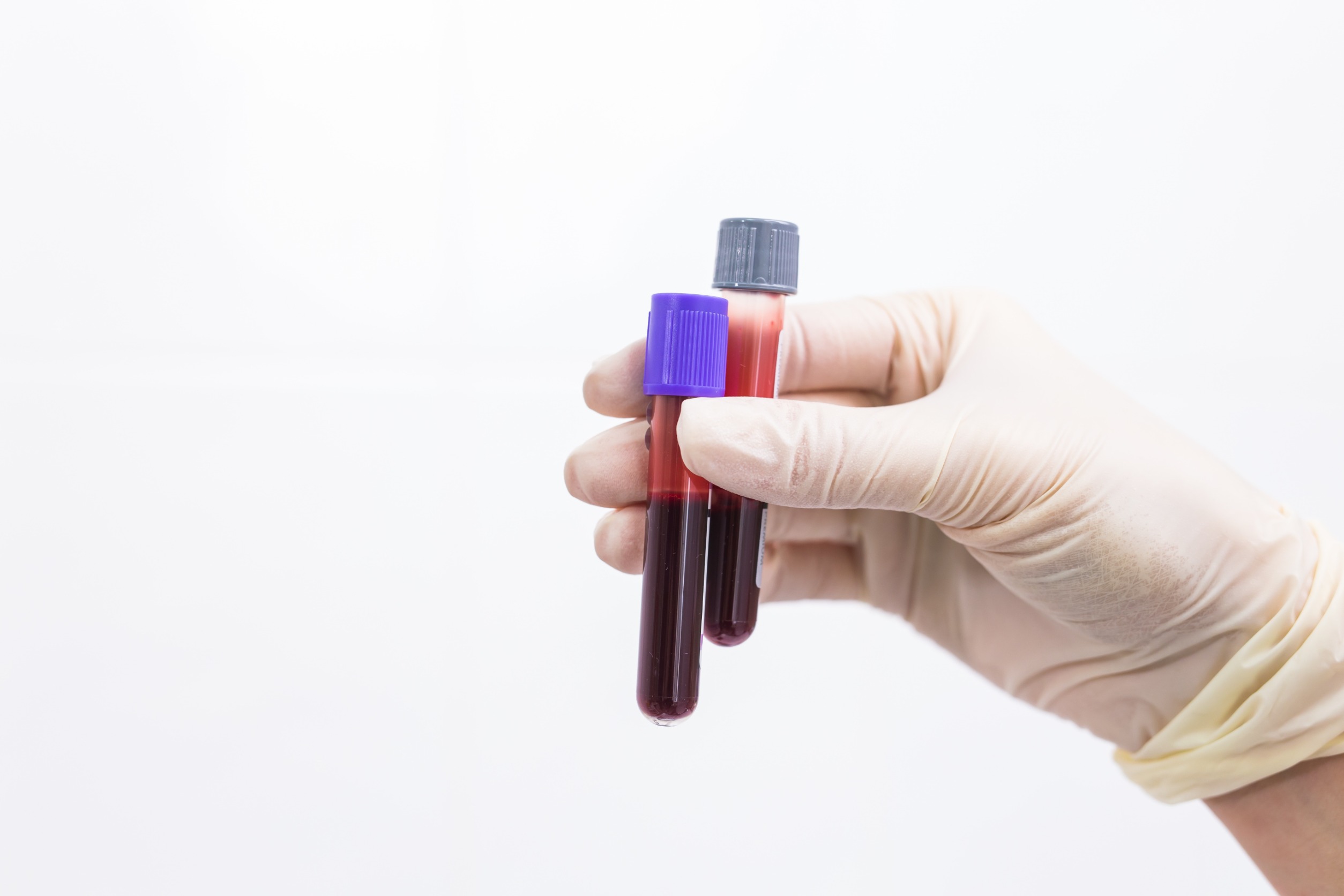
A human body weighing around 70 kg contains an average of 4 grams of iron. Despite the seemingly small amount of this element, it plays an extremely important role in the body. Iron, as part of haemoglobin, transports oxygen and carbon dioxide around the body. Iron is essential for blood formation and normal growth and development; it also supports immunity, combats free radicals and reduces fatigue. Blood iron levels depend on absorption in the digestive tract, storage in the intestine, spleen and bone marrow, as well as the production and breakdown of haemoglobin and the rate at which iron is excreted from the body. Dietary iron requirements depend on age, sex, health and physical activity. On average, the requirement is 14 mg per day. Pregnant and breastfeeding women have an increased need for this element. Reference ranges for iron in blood biochemistry tests differ between women and men.
Iron: reference ranges in blood biochemistry tests
- women – 6.6-26 mmol/l (37-145 mg/dl)
- men – 10.6-28.3 mmol/l (50-158 mg/100dl)
Remember that values in women are lower than those in men by an average of around 10 mg. They also fluctuate considerably throughout the day and, in women, during the menstrual cycle.

| You can purchase individual blood tests and blood test packages developed by Polish specialists at BadamySie.pl and have them done at the laboratory you select during purchase, using the confirmation emailed to you just moments after the transaction. |
Symptoms of iron deficiency
As iron stores shrink, fewer healthy red blood cells are produced and worrying symptoms appear. The first sign of iron deficiency is usually apathy and persistent fatigue for no obvious reason. We lose the energy to work, lie down frequently and feel inclined to take naps. The complexion and mucous membranes become pale (particularly the conjunctivae), dark circles appear under the eyes, and we look unwell. The skin is dry and rough, and applying creams does not help. Hair breaks, falls out and develops split ends. Nails become brittle and develop longitudinal ridges with grooves characteristic of iron deficiency. Another symptom is pain and burning (ulceration) in the throat, mouth and tongue. Cracks often develop at the corners of the mouth. Headaches and reduced concentration, thinking ability and memory may also signal iron deficiency. Children who lack iron find learning more difficult. A weakened immune system means we catch colds more often and are susceptible to infections. Typical symptoms of iron deficiency also include dizziness, breathlessness during exertion, a faster heartbeat and breathing rate, a tendency to bruise, and nosebleeds. The severity of symptoms depends on age, health (e.g. heart, kidney or liver disease) and how long the deficiency has lasted. Chronic iron deficiency leads to anaemia. This condition can develop at any age. It affects women more often than men.
Healthy people who eat a balanced diet are unlikely to develop iron deficiency. The most common cause of deficiency (80 per cent) is loss of iron through heavy bleeding. The greatest iron loss from the body occurs through menstrual bleeding. This is why women with prolonged and very heavy periods or abnormal bleeding after the menopause, and people with gastrointestinal bleeding (e.g. due to overuse of certain painkillers, ulcers, haemorrhoids or cancer), are most at risk of iron deficiency. Less common causes include bleeding from other organs, blood loss following injuries and surgery, or a blood-clotting disorder. Iron deficiency may develop in people with malabsorption, chronic diarrhoea or a history of stomach surgery. It may also affect anyone who pays little attention to what they eat (e.g. choosing highly processed foods), follows extreme weight-loss diets, is vegetarian or takes part in endurance sports (e.g. intensive exercise at the gym).
Symptoms of excess iron in the blood
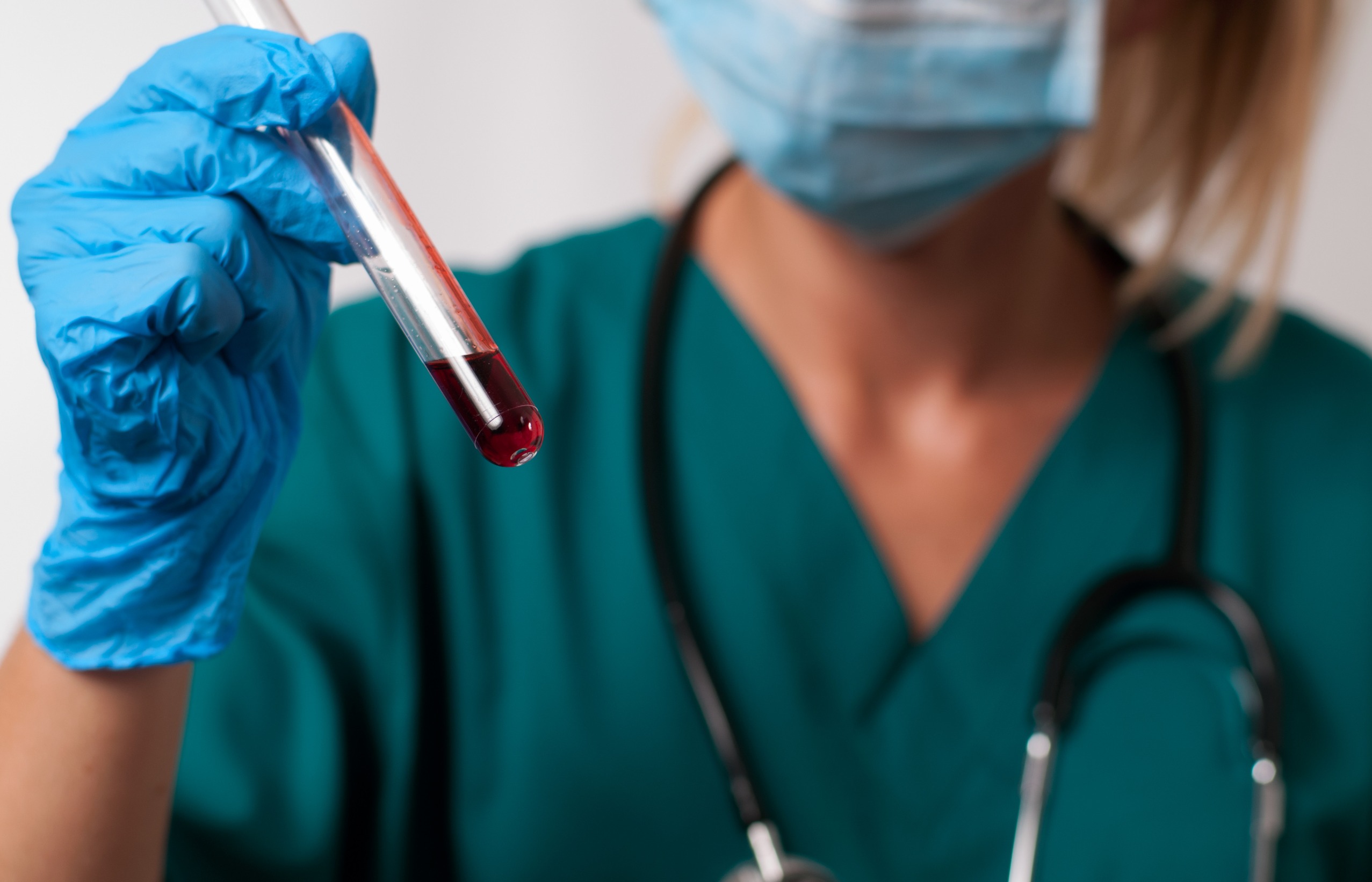
Excess iron in the body is much less common. However, it is also dangerous. Surplus iron accumulates in organs, mainly the liver and pancreas, and causes toxicity. Symptoms of iron overdose include joint pain, depression and hormonal disturbances. Excess iron can also cause heart disease and cancer. An excessively high iron level may be caused by an unhealthy diet based primarily on red meat, the main source of haem iron (the form that is more readily absorbed by the body).
Other causes include:
- overdosing on medicines for anaemia and iron supplements,
- chronic viral hepatitis,
- non-alcoholic fatty liver disease,
- chronic pancreatitis,
- cystic fibrosis,
- abnormal activity of the enzymes that regulate iron metabolism in the body.
Another cause of excess iron in the body is a rare disease called haemochromatosis.
Haemochromatosis is a metabolic disease involving excessive absorption of iron from food, which causes iron ions to accumulate in the body.
| Choose the package, test or medical consultation you are interested in from the shop and purchase online. When you use BadamySie.pl you do not pay an additional fee for blood collection at the laboratory (if you do not use the Badamysie.pl portal, a fee is always added when you purchase tests in person at the clinic). |
There are two types of haemochromatosis: primary haemochromatosis, which is a genetic disease, and secondary haemochromatosis, which often accompanies other conditions such as hepatitis C (HCV), cystic fibrosis, fatty liver disease, diabetes, metabolic syndrome and hypertension.
Symptoms of haemochromatosis appear late, when substantial amounts of iron begin to accumulate in the body. In haemochromatosis, excess iron is deposited in tissues (mainly in the primary form of the disease), which can lead to diabetes and serious damage to the heart, liver and other organs. If iron levels in the body reach five times the normal level, symptoms of the disease become apparent. The fully developed form is characterised by liver cirrhosis and brown discolouration of the skin, often accompanied by diabetes. Haemochromatosis causes heart rhythm disturbances (paroxysmal supraventricular tachycardia) and left ventricular failure. In the skin of people with haemochromatosis, melanin accumulates in the epidermal layer, which gradually atrophies. Abdominal pain in the right upper quadrant is a symptom of liver failure, and ascites may also develop. Haemochromatosis is a metabolic disease that also leads to hormonal disturbances. Women may experience menstrual irregularities and premature menopause, while men may develop impotence and loss of pubic and underarm hair. The best treatment for haemochromatosis is venesection, or blood removal. Regular blood removal stimulates cell renewal, using up the iron accumulated in the body.
Although the disease is usually congenital, meaning it is present from birth, symptoms most often appear quite late. ‘Usually between the ages of 40 and 60,’ confirms the specialist in internal medicine. ‘The disease is much more common in men (5 to 10 times more common). In the early stages of haemochromatosis, symptoms are not very specific: patients mainly complain of exhaustion, joint pain, symptoms affecting the digestive system, liver or heart, and reduced libido.’
When should you have your blood iron levels tested?
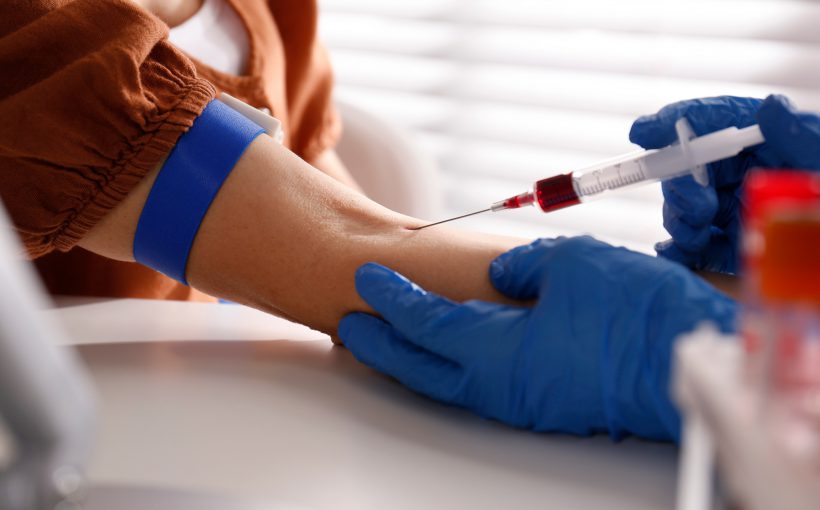
Because the first symptoms of iron deficiency or excess only appear when levels have been substantially outside the reference range for a long time, it may be worth checking your iron level with a simple laboratory test. You should attend for the test in the morning on an empty stomach. Your iron level will be measured in a sample of venous blood.
| Check whether our laboratories are already in your city! With Badamysie.pl you can have the Iron – laboratory test quickly, without a referral and without waiting. |
* If your results fall outside the reference range, we recommend consulting a doctor. The result report is issued in Polish.
Laboratory blood tests, medical consultations and other diagnostic services in the following cities: Warsaw, Krakow, Katowice, Łódź, Poznań, Wrocław, Szczecin, Gdynia, Sopot, Gdańsk, Opole, Lublin, Gliwice, Bydgoszcz, Kołobrzeg, Rzeszów, Gorzów Wielkopolski, Opole, Jelenia Góra, Koszalin, Ostrołęka, Płock, Świecie, Przemyśl, Zabrze, Wodzisław Śląski, Radom, Otwock, Olsztyn, Aleksandrów, Płońsk, Łowicz, Bełchatów, Bełżyce, Chełm, Dąbrówka, Bogatynia, Bychawa, Białystok, Drzewica, Nowe Miasto Nad Pilicą, Działdowo, Garwolin, Głogów, Goleniów, Gorzyce, Iłża, Jelenia Góra, Koło, Kostrzyn, Kościan, Krzywiń, Kutno, Legionowo, Lesko, Lidzbark Welski, Łomża, Mińsk Mazowiecki, Nowy Sącz, Mielec, Malbork, Oborniki Śląskie, Poddębice, Przeworsk, Pułtusk, Raciąż, Racibórz, Rybnik, Sanok, Siedlce, Sierpc, Skórzewo, Sochaczew, Swarzędz, Szydłowiec, Tuchola, Wejherowo, Wysokie Mazowieckie, Wyszków, Ząbki, Zambrów, Żuromin, Żychlin, Kwidzyn, Kościerzyna, Cedry Wielkie, Prabuty, Pruszcz Gdański, Jarosław, Reda, Rogowiec, Katowice, Częstochowa, Kielce, Jędrzejów, Pińczów, Zamość, Lubin, Czeladź, Czerniewice, Grudziądz, Kęty, Konstantynów Łódzki, Lutomiersk, Myszków, Olkusz, Piotrków Trybunalski, Polkowice, Poniatowa, Poraj, Sławków, Stargard, Tarnobrzeg, Toruń, Wiślica, Wolbrom, Rumia, Żory, Bezrzecze, Legnica, Marki, Siemianowice Śląskie, Ropczyce
Blood test Krakow Łódź Wrocław Poznań Gdańsk Szczecin Bydgoszcz Lublin Gdynia Radom Rzeszów Gliwice Zabrze Olsztyn Bytom Rybnik Gorzów Płock
Where can I get blood tests without a referral?
Blood collection centres with addresses and opening hours: Warszawa · Wrocław · Łódź · Kraków · Poznań · Gdańsk · Szczecin · Bydgoszcz · all cities.
Order your tests online at BadamySie.pl and have them done at a centre of your choice.